Why I Built StoryFlow
From Published Author to AI-Powered Book Writing
Full disclosure: This post was written by a human (me), polished by an AI (it fixed my grammar and made me sound smarter), then reviewed by me again (to make sure the AI didn't make me sound too smart). Any remaining errors are 100% organic, artisanal, human-made mistakes.
I'm Emad Ibrahim—a software architect and CTO with over 25 years of experience building systems that scale. I've led engineering teams, consulted for companies like Microsoft and Google, and shipped more products than I can count. But there's something else on my resume that not everyone knows about: I'm a published author.
My book, ASP.NET MVC Test-Driven Development, was published by Wrox. And while I'm proud of it, the process of writing it nearly broke me. It took months of grueling work, multiple rounds of edits, and more late nights than I care to remember. Since then, I've had dozens of ideas for books I wanted to write—but never the time or energy to go through that process again.
The Ideas Trapped in My Head
Every creator knows this feeling: you have ideas—so many ideas—that you wish you could just dump from your brain onto paper. Technical books, guides, maybe even fiction. But the gap between having an idea and having a finished manuscript feels insurmountable.
Traditional book writing is overwhelming. You stare at a blank page. You outline, then reoutline. You write a chapter, realize it doesn't fit, and throw it away. You lose track of character details. You forget plot threads. The process is fragmented, scattered across documents and notes, and the cognitive load is crushing.
I always wanted to write more. I just never had the time or the energy to go through that process again. The ideas kept piling up, and the books stayed unwritten.
Then AI changed everything.
The Spark: AI as a Writing Partner
When I started experimenting with AI for writing, something clicked. I could have a conversation about my book idea, and the AI would ask thoughtful questions—the kind an editor might ask. It helped me develop concepts I'd been mulling over for years. It could generate outlines, develop characters, even draft chapters while maintaining consistency with everything that came before.
But the workflow was clunky. I was jumping between chat windows, copying context back and forth, losing track of what I'd decided. The AI was powerful, but the process was still fragmented.
That's when I realized: this could be a product. Not just AI chat, but a complete writing environment that guides authors through every phase of book creation—from the first spark of an idea to a finished, publishable manuscript.
So I built StoryFlow.
What Is StoryFlow?
StoryFlow is an AI-powered desktop app that transforms book writing from chaos into a structured, achievable workflow. It guides you through five phases:
Brainstorm
Chat with AI to develop your book concept. It asks the right questions to shape your idea into something concrete.
Outline
Generate a chapter-by-chapter structure with story arcs, plot points, and synopses.
Refine
Develop detailed character profiles with backstories, traits, and arcs that the AI tracks throughout your book.
Write
Generate chapters one at a time or batch-generate your entire book. AI maintains consistency with everything that came before.
Publish
Export as PDF or EPUB, generate AI covers, and publish directly to the StoryFlow Bookstore.
It's local-first, meaning your books stay on your machine—no subscription lock-in, no cloud dependency. And it supports series, tracking characters, plot threads, and world state across multiple books.
The Personal Why: Stories for My Kids
But there's another reason I built StoryFlow—one that's closer to my heart.
I've always wanted to write custom stories for my kids. Not generic children's books, but stories crafted specifically for them—adventures that teach values I care about: integrity, honesty, friendship, resilience. I wanted to create tales that would be entertaining enough to capture their imagination while instilling the lessons that matter.
I also wanted them to love reading—and thankfully, they do. What better way to nurture that love than with personalized stories written just for them?
I'm already using StoryFlow to write adventure stories appropriate for their age. My plan is to turn these into a series. I'll have them review each story, give me feedback, and even help brainstorm ideas for the next book. Making them part of the creative process might make them even more excited to read the finished stories.
That's the dream: a series of adventures my kids helped create, teaching the values I want them to carry through life—all made possible because AI removed the friction from writing.
Books I've Written with StoryFlow
I'm not just building StoryFlow—I'm using it. Here are the first two books I've written and published using the tool, both available for free on the StoryFlow Bookstore:
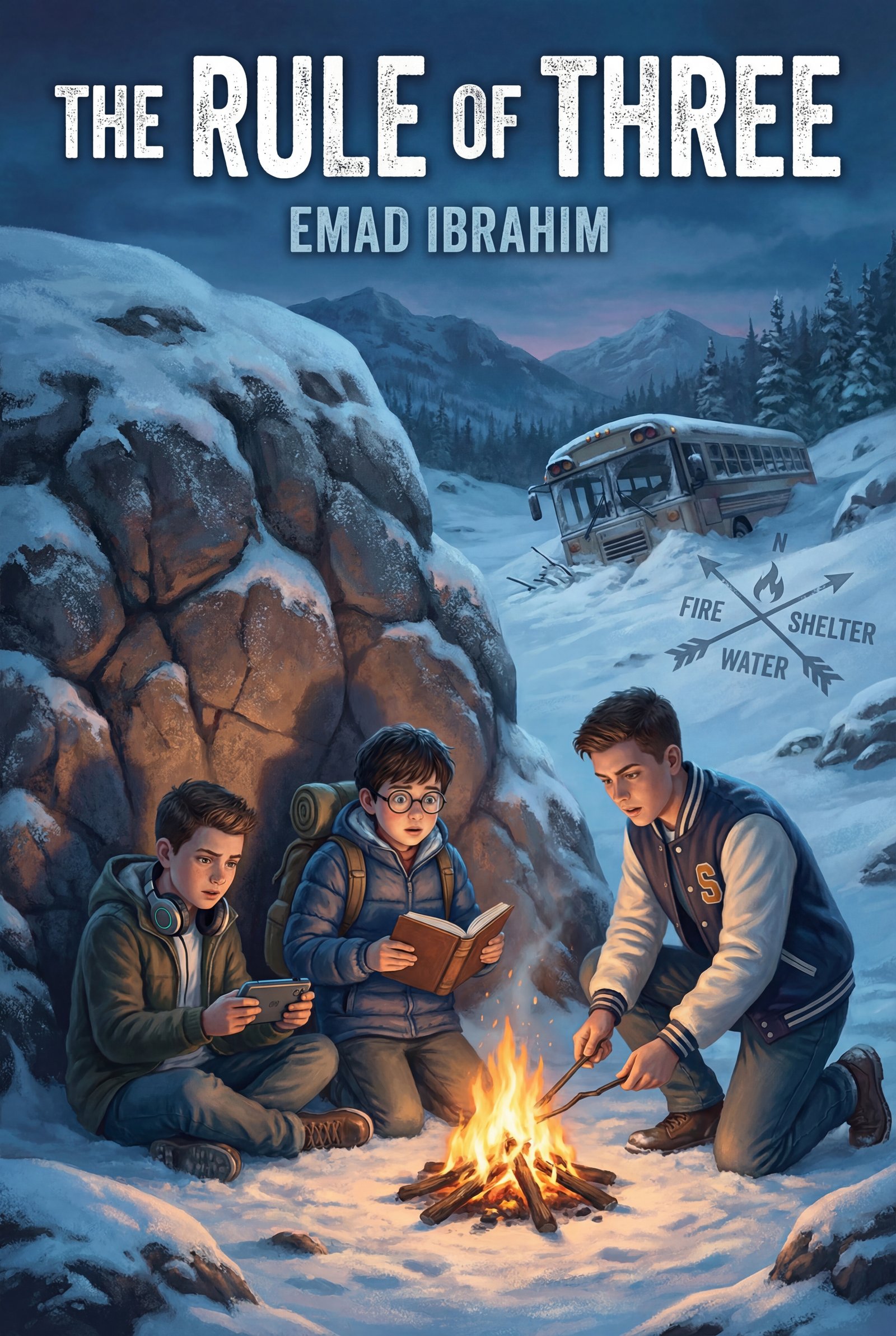
The Rule of Three
An 11-year-old boy named Leo survives a bus crash on a remote, frozen mountain road alongside two classmates. Drawing on Stoic philosophy and survival skills, they must work together to endure the harsh conditions.
For readers aged 9–13 • Free to download
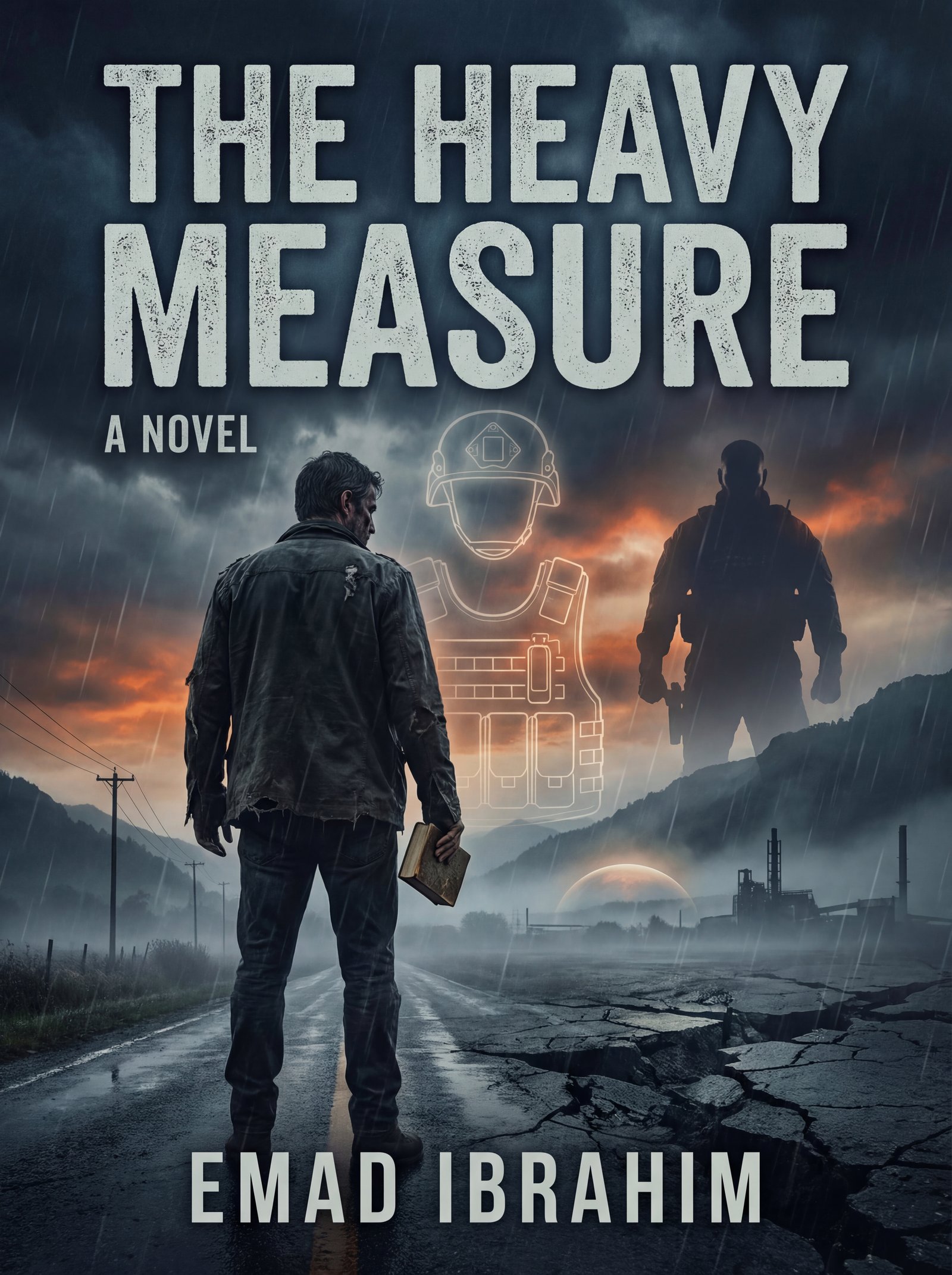
The Heavy Measure
A former CIA operative named Gideon Cross wanders the American backroads seeking redemption. When he arrives in Black River, his effort to help a shopkeeper leads him into conflict with a dangerous conspiracy.
For Jack Reacher fans • Free to download
Both are the first books in their respective series. "The Rule of Three" is the adventure story I wrote for my kids—complete with survival skills, friendship, and resilience. "The Heavy Measure" is a thriller I've been wanting to write for years, inspired by my love of Jack Reacher novels.
Built for Myself, Now Available for Everyone
I built StoryFlow to solve my own problem. But as I used it, I realized other people might find it valuable too. So I'm making it available for everyone.
I'll be honest: I haven't figured out the monetization strategy yet. Right now, I'm more interested in getting it into people's hands and hearing what they think. If you find it useful—whether for writing technical books, fiction, children's stories, or anything else—I'd love to hear about it.
Your feedback matters. I'm building this in the open, and the direction it takes will be shaped by the people who use it. If you have ideas, suggestions, or just want to share what you're writing, reach out. Let's figure out together how this tool can help more people turn their ideas into finished books.
From Ideas to Stories
Twenty-five years of building software taught me that the best tools remove friction from creative work. Writing a book shouldn't be a multi-month slog that leaves you exhausted. It should be a structured process where AI handles the mechanical parts—consistency, continuity, formatting—so you can focus on what matters: the story you want to tell.
That's what StoryFlow does. It's the tool I wish I'd had when I wrote my first book. It's the tool that's finally letting me write the stories I've been carrying around in my head for years. And now, it's a tool you can use too.
Ready to turn your ideas into books?
Try StoryFlowOr check out the technical deep-dive to see how it was built.
Related Articles
Vibe Coding vs Vibe Engineering: The Difference Between Slop and Software Excellence
Explore the critical distinction between vibe coding—which produces superficially working applications—and vibe engineering, which creates fantastic software backed by real engineering principles, foundational work, and performance optimization.
FamilyGPT Launches on Product Hunt: Safe AI for Families
Today, I'm launching FamilyGPT on Product Hunt—the first AI assistant built specifically for children with powerful parental controls, customizable values teaching, and complete transparency. Learn why I built it and how you can support the launch.